
Conscious consumption does not require drastic lifestyle changes. It begins with small, intentional shifts in how you shop, what you choose to buy, and how you handle things once you no longer need them. In Hungary, the growing availability of local markets, eco-certified products, and second-hand shops makes it easier than ever to reduce your environmental footprint without sacrificing quality of life.
What does conscious consumption actually mean?
At its core, conscious consumption is about being aware of the impact your purchases have on the environment, the economy, and other people. It means asking yourself a few questions before buying something: Do I really need this? How was it made? Where did it come from? What will happen to it when I am done with it?
This is not about guilt. It is about building a habit of thinking before purchasing. Over time, these small decisions add up to a meaningful reduction in waste, resource use, and carbon emissions.
Shopping smarter at Hungarian supermarkets
Hungarian supermarket chains have made noticeable progress in offering eco-friendlier options. Stores like Lidl, Aldi, SPAR, and Tesco now stock organic product lines, loose fruits and vegetables, and recyclable packaging. Here are a few strategies that work well:
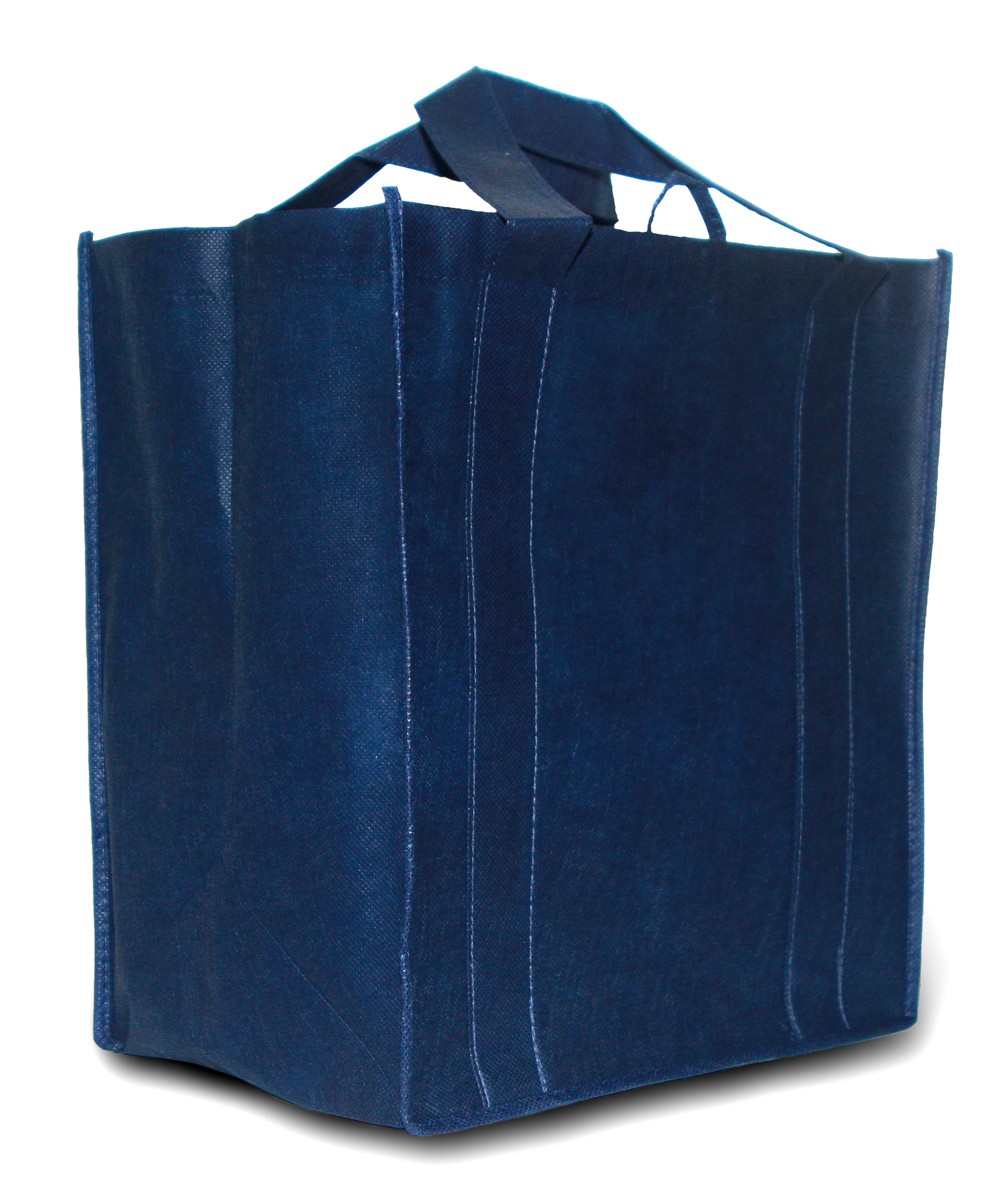
- Bring your own reusable bags and mesh produce nets. Most stores sell them near the entrance, but you save more by keeping a set in your regular bag or car.
- Choose loose produce over pre-packaged options. It often costs less and generates significantly less plastic waste.
- Look for the EU organic leaf label or the Hungarian Biokultura certification on products.
- Check the country of origin. Hungarian-grown produce has a lower transport footprint than items shipped from overseas.
- Avoid bulk-buying perishable items unless you have a meal plan. Food waste is one of the largest contributors to household environmental impact.
Local markets and farm-direct options
Farmers markets remain one of the best ways to shop consciously in Hungary. The Great Market Hall in Budapest is one of the most well-known, but there are smaller, more community-oriented markets across the country.
The Szimpla Farmers Market in Budapest, held every Sunday, features organic produce, artisan cheeses, fresh bread, and homemade preserves. Similar weekend markets operate in Debrecen, Szeged, Pecs, and Gyor. Shopping at these venues means fewer middlemen, fresher food, and direct support for Hungarian agriculture.
Community Supported Agriculture (CSA) programmes, known in Hungarian as "Kosarkoze" or box-scheme services, deliver seasonal produce directly from farms to your door. These subscriptions help small producers plan their harvests and reduce food waste.
Reducing single-use plastics
Hungary banned lightweight plastic bags at checkout in 2021, aligning with EU directives. But single-use plastic is still everywhere: in takeaway cups, food trays, straws, and packaging. Here are practical alternatives:
- Carry a reusable water bottle. Tap water in Budapest and most Hungarian cities is safe to drink.
- Keep a reusable coffee cup for takeaway orders. Many Budapest cafes offer a small discount if you bring your own.
- Use beeswax wraps or silicone lids instead of cling film at home.
- Choose bars of soap and shampoo over plastic-bottled liquids. Several Hungarian brands now produce solid cosmetics.
- Bring your own containers to delis, bakeries, or butcher shops. Most vendors will accept them if you ask politely.
Second-hand and circular economy
Buying used goods extends their lifespan and keeps them out of landfill. Hungary has a strong culture of second-hand shopping, particularly for clothing and furniture.
In Budapest, Humana and Mozaik Design Shop offer curated second-hand clothing at fair prices. Online platforms like Vinted, Jofogast, and Facebook Marketplace make it easy to buy and sell pre-owned items across the country. For electronics, certified refurbished devices from retailers like iStyle or MediaMarkt are a reliable option.
Before discarding something, consider whether it can be repaired, donated, or repurposed. Many Hungarian towns have repair cafes where volunteers help fix small electronics, clothing, and household items for free.
Reading labels and avoiding greenwashing
Not all "green" marketing claims are genuine. Greenwashing, where companies exaggerate or fabricate their environmental credentials, is a growing problem. To avoid falling for it:
- Look for recognised certifications: EU Ecolabel, FSC (Forest Stewardship Council), GOTS (Global Organic Textile Standard), or Fairtrade.
- Be sceptical of vague terms like "eco-friendly," "natural," or "green" without supporting evidence.
- Check ingredient lists and material compositions. Shorter, more recognisable ingredient lists usually indicate simpler, less processed products.
- Research brands before buying. Websites like Good On You rate fashion brands on their environmental and ethical practices.
Building lasting habits
The most effective approach to conscious consumption is gradual. Pick one area, such as grocery shopping, and focus on improving it for a month before moving on to the next. Small changes that become routine have a far greater long-term impact than dramatic shifts that last a week.
Keep a simple waste diary for two weeks. Note what you throw away most often. You will likely notice patterns, like excessive food packaging or disposable coffee cups, that point you toward the changes with the highest impact for your specific situation.
According to the European Environment Agency, the average European generates over 500 kilograms of municipal waste per year. Even modest reductions in individual consumption can make a significant difference when adopted at scale.
Useful resources
- European Environment Agency - Waste - data and reports on waste in Europe
- European Parliament - Waste Management - EU policy on waste reduction
- FAO - Food Waste - global food waste reduction initiatives
Last updated: March 3, 2026